Home
About the Practice
About the Practice · Surgical Care

The Surgical Journey

Good surgery begins well before the operating theatre and continues long after it. The quality of the result is shaped not only by what happens during the procedure, but by the accuracy of the assessment, the appropriateness of the decision, the preparation beforehand, and the way healing is supported afterwards.

At this practice, surgery is approached as a multi-stage clinical process rather than a single intervention. Each stage matters — and in many cases, the most important part of the entire journey is not the operation itself, but the judgement that determines whether surgery is appropriate in the first place.
The Eight Stages at a Glance
01
The consultation and assessment
02
Suitability and patient selection
03
Planning the right approach
04
Decision-making and consent
05
Pre-operative preparation
06
The operation itself
07
Recovery and aftercare
08
How results develop over time
Our Surgical Philosophy

The Surgical Jourmey

"No two faces age in the same way, because no two faces are built the same way."
Surgery Is a Process, Not a Moment

A Multi-Stage Clinical Process

Facial surgery is often imagined as a single event — the day of the operation, the before and after. In reality, it does not work that way. Surgery is approached as a sequence of connected stages, each of which shapes what follows.

The surgical journey is defined not by how many patients reach the operating theatre, but by how carefully decisions are made at every stage along the way.
"Not every patient who comes for a surgical consultation will go on to have surgery. That is not a failure of the process. It is part of the process."
Sometimes the right decision is to proceed. Sometimes it is to wait. And sometimes it is not operating at all. That kind of restraint is part of responsible clinical care.
Stages 01 — 04

Before the Operation

Assessment, suitability, planning and decision-making. The stages that determine whether surgery is appropriate, and what form it should take.
Stage 05

Preparation

Much of what makes a surgical journey feel calm rather than chaotic is decided before the operation ever takes place. Physical and practical readiness both matter.
Stage 06

The Operation

Surgery tailored to the individual — not applied as a fixed template. Precision and restraint in equal measure, in a fully accredited hospital environment.
Stages 07 — 08

Recovery and Long-Term Outcome

Recovery is part of treatment, not what comes after it. Results are progressive — the best outcomes continue to improve quietly as healing completes.
Stage by Stage

The Eight Stages of a Surgical Journey

Each stage is connected. The quality of the result depends on how carefully each one is handled.
Stage 01 — The Consultation
Where the Journey Really Begins
The first consultation is a proper clinical assessment, not a booking step. Its purpose is to understand what is actually present anatomically, what is contributing to the concern, and whether surgery is likely to make a meaningful difference in a way that remains natural over time.
Stage 02 — Suitability
Not Everyone Should Have Surgery
Patient selection is one of the most important (and least visible) parts of the surgical journey. Not every concern is best managed surgically. Suitability requires a concern that can be meaningfully improved, anatomy that supports it, a benefit that justifies the risks, and expectations within the range of what is achievable.
Stage 03 — Planning
The Right Approach, Not the Biggest One
When surgery is appropriate, the next step is developing a plan that fits the individual. That may be a single procedure, staged surgery, a combination of approaches, or integration with non-surgical care. The aim is to identify what is necessary, effective, and designed to age well.
Stage 04 — Decision-Making
Taking Time Before Moving Forward
Once a plan has been discussed, there is value in taking a step back. Risks and benefits need to be weighed properly. Recovery needs to be understood in practical terms. The pause between consultation and commitment is important as it helps separate a considered decision from an emotional one.
Stage 05 — Preparation
Consent and Cooling-Off Period
Consent for cosmetic surgery may only be given after the second consultation. Following the signing of consent, a mandatory seven-day cooling-off period applies. During this period no booking or professional fees relating to the surgery may be accepted. This period exists to support careful reflection and ensure that the decision to proceed is made without pressure or urgency.
Stage 06 — The Operation
The Day of Surgery in Context
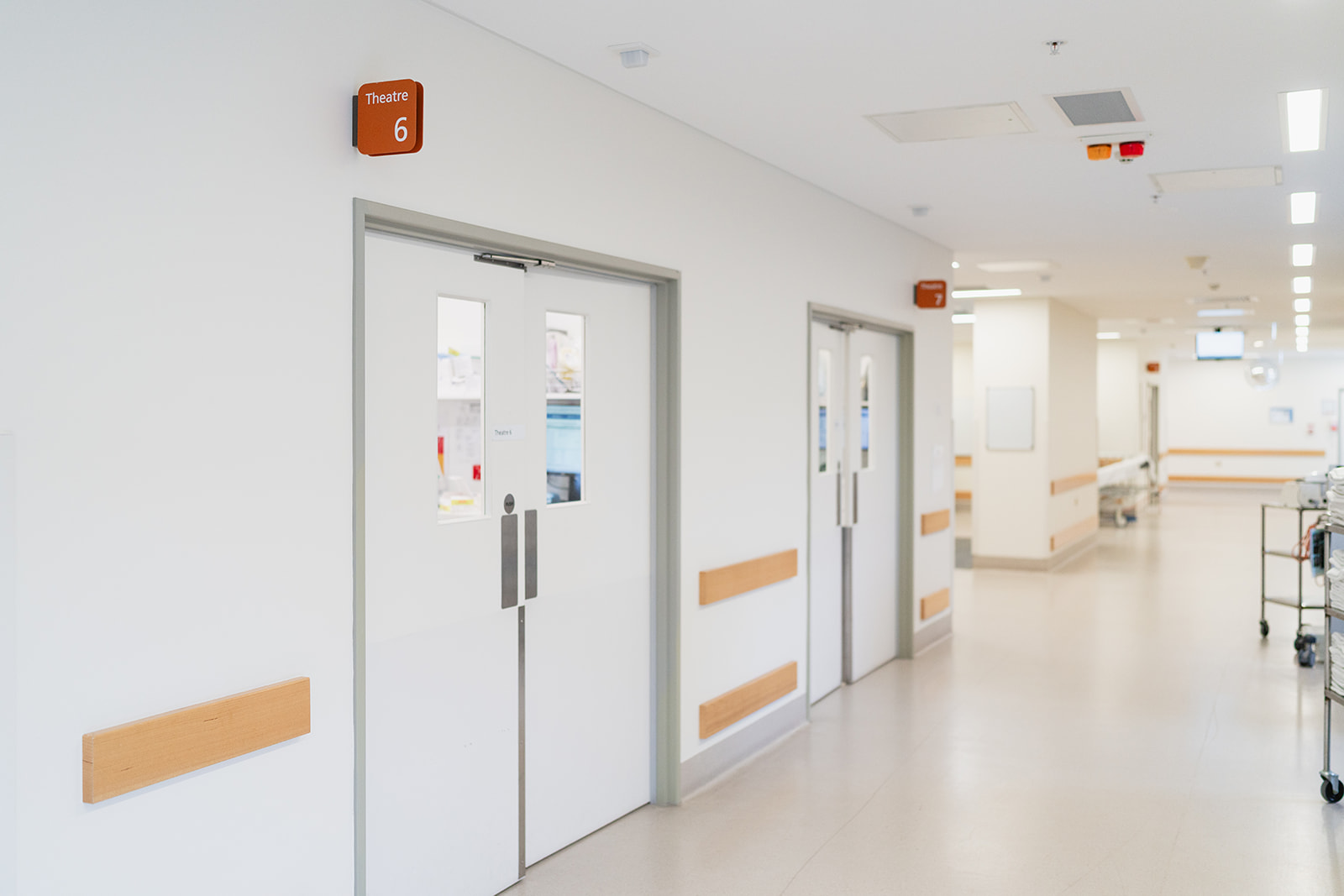
Surgery is performed in an accredited hospital environment with the procedure tailored to the individual. Two patients may appear to need the same operation, but the details of how surgery is planned and performed often differ considerably once anatomy, tissue behaviour and overall facial balance are taken into account.
Stage 07 — Recovery
Not a Waiting Period, but Part of Treatment
What happens during the healing period affects the final outcome more than many patients initially realise. Swelling, bruising, tightness and temporary asymmetry are all common and expected. Facial surgery often improves in stages rather than all at once which is reassuring when understood in advance.
How Results Develop Over Time
Results are progressive. The early postoperative appearance is not the final outcome. Swelling resolves gradually, tissues soften and settle, and scars mature. The best outcomes tend not to be the ones that look dramatic immediately. Instead, they are the ones that continue to improve quietly as healing completes.
"The operative aim is not simply to produce visible change. It is to create a result that sits comfortably within the face and remains coherent with the patient's natural identity."
Precision and restraint in equal measure. These are not small technical preferences — they shape how the face heals, how the result settles, and how natural it will look in the longer term.
Stage 01 — The Consultation in Detail

Where the Journey Begins

The face is assessed as a three-dimensional structure that includes bone support, the position and behaviour of soft tissues, the way volume is distributed, skin quality and elasticity, and the role of movement and expression.

A good consultation does not reduce the face to a problem list. It tries to understand how the face works, how it has changed, and whether intervention makes sense within that broader picture.
"What separates a good facial surgeon from a competent one is knowing what to do, how much to do, and when to put the instruments down."
What the assessment considers
Bone support and skeletal structure of the face
Soft tissue position, behaviour and descent
Volume distribution across the face and midface
Skin quality, elasticity and thickness
Movement, expression and functional considerations
The relationship between adjacent facial structures
Realistic expectations and what surgery can achieve
Where relevant
Functional considerations are part of the assessment particularly in areas such as the nose and eyelids, where breathing, eyelid support and normal function matter just as much as appearance.
Stage 02 — Suitability

Patient Selection and Responsible Practice

Not every concern is best managed surgically. Not every patient is likely to benefit. And not every technically possible procedure is a good idea.

In some cases, what a patient is noticing may fall within normal anatomical variation. In others, the improvement possible with surgery may be too limited to justify the intervention. This is why patient selection is such a central part of responsible surgical practice — it protects outcomes, but more importantly, it protects patients.
"What separates a good facial surgeon from a competent one is knowing what to do, how much to do, and when to put the instruments down."
Stage 03 — Planning

Building the Right Approach, Not the Biggest One

When surgery is appropriate, the aim is never to do the maximum that can be done. It is to identify what is necessary, what is likely to be effective, and what can be expected to age well.

A measured plan usually produces a more convincing result than an ambitious one. Patients do not benefit from having more surgery than they need. They benefit from having the right surgery, in the right way, for the right reason.
Single procedure where this is clearly sufficient
Staged surgery where the situation is more complex
Combined procedures where anatomy supports this
Integration with non-surgical care where appropriate
A plan designed to age well, not simply to look different
Stage 04 — Decision-Making

Taking Time Before Moving Forward

Once a plan has been discussed, there is usually value in taking a step back.

Facial surgery should not be entered into lightly or quickly. Even when the recommendation is clear, there is still a period of thought that needs to happen on the patient’s side. The information given during consultation needs to settle. Risks and benefits need to be weighed properly. Recovery needs to be understood in practical, not abstract, terms. And the patient needs enough space to decide whether surgery genuinely feels appropriate for them.

It helps separate a considered decision from an emotional one. It allows patients to move forward with greater clarity and less urgency. And in some cases, it becomes clear during that period that waiting is the better option.
Dr. Sim Lew-Gor - Patient Information and Consultation
Stage 05 — Preparation

Consent & Cooling Off Period

Once a decision has been made to proceed, the focus turns to ensuring that the patient is physically and practically ready for surgery. This may involve optimising general health, reviewing medications and supplements, adjusting habits that may impair healing, and making sure the patient has appropriate support in place for recovery. For some people, this stage is very straightforward. For others, it requires more planning.

Preparation is not just about reducing medical risk, though that is a large part of it. It is also about creating the right conditions for healing. Surgery is easier to recover from when the patient understands what lies ahead, has realistic expectations about the early postoperative period, and is not trying to fit recovery into an already overcommitted life.
"Much of what makes a surgical journey feel calm rather than chaotic is decided before the operation ever takes place."
Stage 06 — The Operation

The Day of Surgery in Context

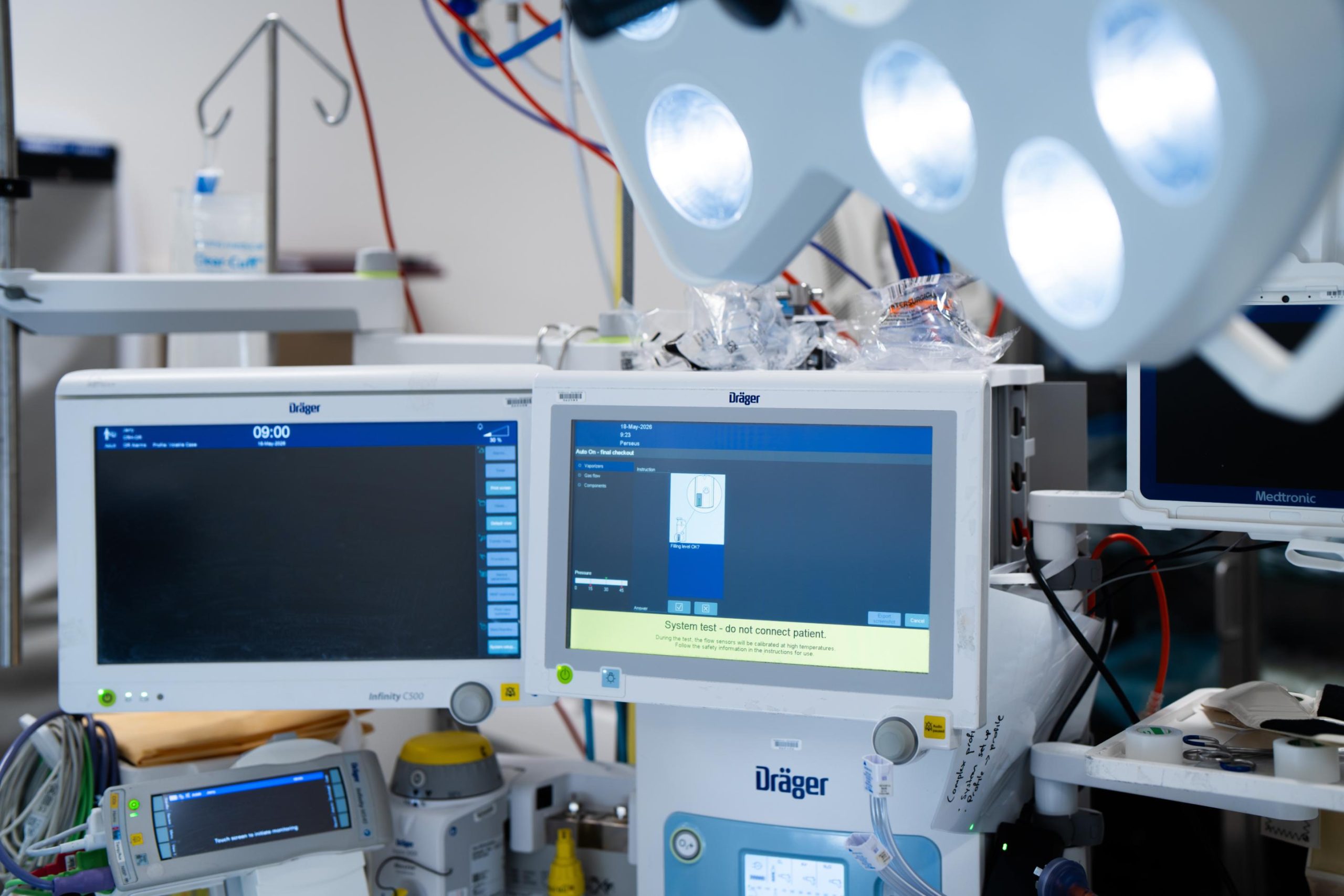
The day of surgery sits within a much larger sequence. Surgery is performed in an accredited hospital environment, with the procedure tailored to the individual. Two patients may appear to need the same operation in broad terms, but the details of how surgery is planned and performed often differ considerably once anatomy, tissue behaviour and overall facial balance are taken into account.

Dr. Lew-Gor personally performs all critical aspects of each procedure, including the surgical planning, the operation itself and the precise closure of incisions. This ensures consistency of technique and the highest level of surgical attention throughout.
"What separates a good facial surgeon from a competent one is knowing what to do, how much to do, and when to put the instruments down."

What This Means in Practice

Procedure tailored to individual anatomy, not applied as a fixed template
Performed in a fully accredited private hospital environment
General anaesthesia administered by experienced specialist anaesthetist
Established theatre team familiar with Dr. Lew-Gor's techniques
Dr. Lew-Gor personally performs all critical aspects of surgery
Day procedure or overnight stay depending on the procedure
Stage 07 — Recovery

Not a Waiting Period, but Part of Treatment

What happens during the healing period affects the final outcome more than many patients initially realise. Swelling, bruising, tightness and temporary asymmetry are common parts of the early postoperative phase. None of these necessarily indicate a problem — they are simply part of how tissues recover from surgery.

Recovery is not passive. Following postoperative instructions, modifying activity appropriately, and attending follow-up appointments all contribute to how the result develops. It asks for patience, but also for cooperation.
Week 1–2
Most visible bruising and swelling present. Rest is important. Sutures removed in most cases.
Week 2–4
Presentable in most social settings. Subtle swelling continues. Return to desk-based work typically possible.
Month 1–3
Ongoing softening and settling. Results becoming more natural and integrated. Scars continuing to mature.
Month 3–12
Final results emerge gradually. Swelling fully resolved. Most patients see the true outcome during this period.
Stage 08 — Recovery

How Results Develop Over Time

Results are progressive. The early postoperative appearance is not the final outcome. Swelling resolves gradually, tissues soften and settle, and scars mature over time. Areas that look slightly firm or uneven in the early phase often become much more natural as healing continues.
"The best outcomes tend not to be the ones that look dramatic immediately. They are the ones that continue to improve quietly, becoming more natural and more integrated as time passes."
Surgery does not stop time. A result that respects anatomy and avoids excess usually remains more stable and looks more believable years later. Where appropriate, longer-term skin-focused care supports the longevity of the surgical result.
Ongoing care
Not every patient needs ongoing treatment after surgery. Where it is useful ( skin quality, volume support) it is considered as part of preserving quality rather than chasing change.

Frequently Asked Questions

Questions most commonly raised about the surgical journey — answered directly.
What makes a good surgical outcome?
A good outcome depends on accurate assessment, an appropriate indication for surgery, a plan that fits the individual, careful operative technique, and attentive recovery. No single element is more important than the others — the result is shaped by the quality of every stage, not the operation alone.
How do I know if I am a suitable candidate?
Suitability is determined through consultation and clinical assessment. It depends on a concern that can be meaningfully improved, anatomy that supports that improvement, a benefit that justifies the risks involved, and expectations within the range of what is achievable. This cannot be determined from photographs or prior to examination.
What if the consultation concludes that surgery is not appropriate?
That is a valid and important outcome of the consultation process. Sometimes a non-surgical approach is more appropriate. Sometimes the degree of change does not warrant intervention. And sometimes the right recommendation is simply to wait. All of these conclusions are part of responsible clinical care, not a limitation of the practice.
How long will recovery take?
Recovery timelines vary depending on the procedure performed and individual healing patterns. Most patients are presentable in social settings within two to four weeks, though full results continue to emerge over months. Specific recovery expectations will be discussed in detail at consultation and at the pre-operative appointment.
When will I see the final result?
Most patients see their true outcome between three and twelve months following surgery, as swelling fully resolves and tissues soften. The early postoperative appearance gives hints but does not tell the whole story. Results continue to improve gradually over this period, becoming more natural and integrated as healing completes.
How long do surgical results last?
Surgery can produce lasting structural improvement, but it does not stop time. The face continues to age following surgery. A result that respects anatomy and avoids excess tends to remain more stable and credible over the longer term. Most patients experience sustained improvement for many years following well-planned facial surgery.
Does Dr. Lew-Gor perform all aspects of the surgery?
Yes. Dr. Lew-Gor personally performs all critical aspects of each procedure, including the surgical planning, the operation itself and the precise closure of incisions. This ensures consistency of technique and the highest level of surgical attention throughout the procedure.
How far in advance should surgery be planned?
Patients are generally advised to allow adequate time for consultation, thoughtful planning and recovery before any significant social or professional commitments. Many patients choose to schedule surgery several months in advance, particularly when planning around travel, work responsibilities or important personal events.
What type of anaesthesia is used?
Surgical procedures are typically performed under general anaesthesia, administered by an experienced specialist anaesthetist. The anaesthetist will oversee all aspects of anaesthesia and pain management throughout the procedure and during the early stages of recovery. Dr. Lew-Gor works with experienced anaesthetic specialists who are skilled in patient safety and peri-operative monitoring.
Also in the About Section

More About the Practice

About the Practice
About the Practice
The step-by-step guide to your experience with the practice — from first contact and GP referral through consultation, surgery, and post-operative care.
About the Practice
Surgical Philosophy
The principles that guide every clinical decision — from how surgery is planned and performed to how outcomes are measured and what constitutes a successful result.
About the Practice
Hospital Affiliations
The hospital facilities and affiliated institutions through which Dr. Lew-Gor operates, including the clinical standards that apply to all surgical procedures.
25+
Years of surgical experience, face & neck
4
International surgical fellowships
2
Locations — Melbourne & Wagga Wagga
AHPRA Registered
All procedures within Australian medical regulation & standards
Dr. Sim Lew-Gor — facial Plastic Surgery Clinic in Melbourne & wagga wagga

A considered approach begins with consultation

Assessment
·
Planning
·
Suitability
A consultation provides the time and structure to assess your concerns properly, examine your anatomy in detail, discuss what may be achievable, and consider whether surgical intervention is likely to help. In some cases, that leads to a clear plan forward. In others, it leads to a better understanding of why surgery may not be the right option.
Disclaimer: All treatments are subject to individual assessment and may not be suitable for all patients. Results vary between individuals and cannot be guaranteed. A consultation with Dr Sim Lew-Gor is required to determine the most appropriate treatment for your needs.
© 2025 Dr Sim Lew-Gor. All rights reserved.
AHPRA registered. All procedures performed in accordance with Australian medical standards.
Sitemap