
The back of the hand is thin, constantly moving and has little natural cushioning. The margin for error is smaller than most people expect.
Too much volume does not rejuvenate the hand; it makes it look heavy and distorted. Too little leaves it unchanged. The aim is to restore a layer that has been lost while still allowing the structures beneath to move naturally. That means understanding how the skin glides, how tendons show during movement, and how light reflects across a surface that is always in use. The hand is naturally more defined than the face, and removing that definition entirely looks artificial.
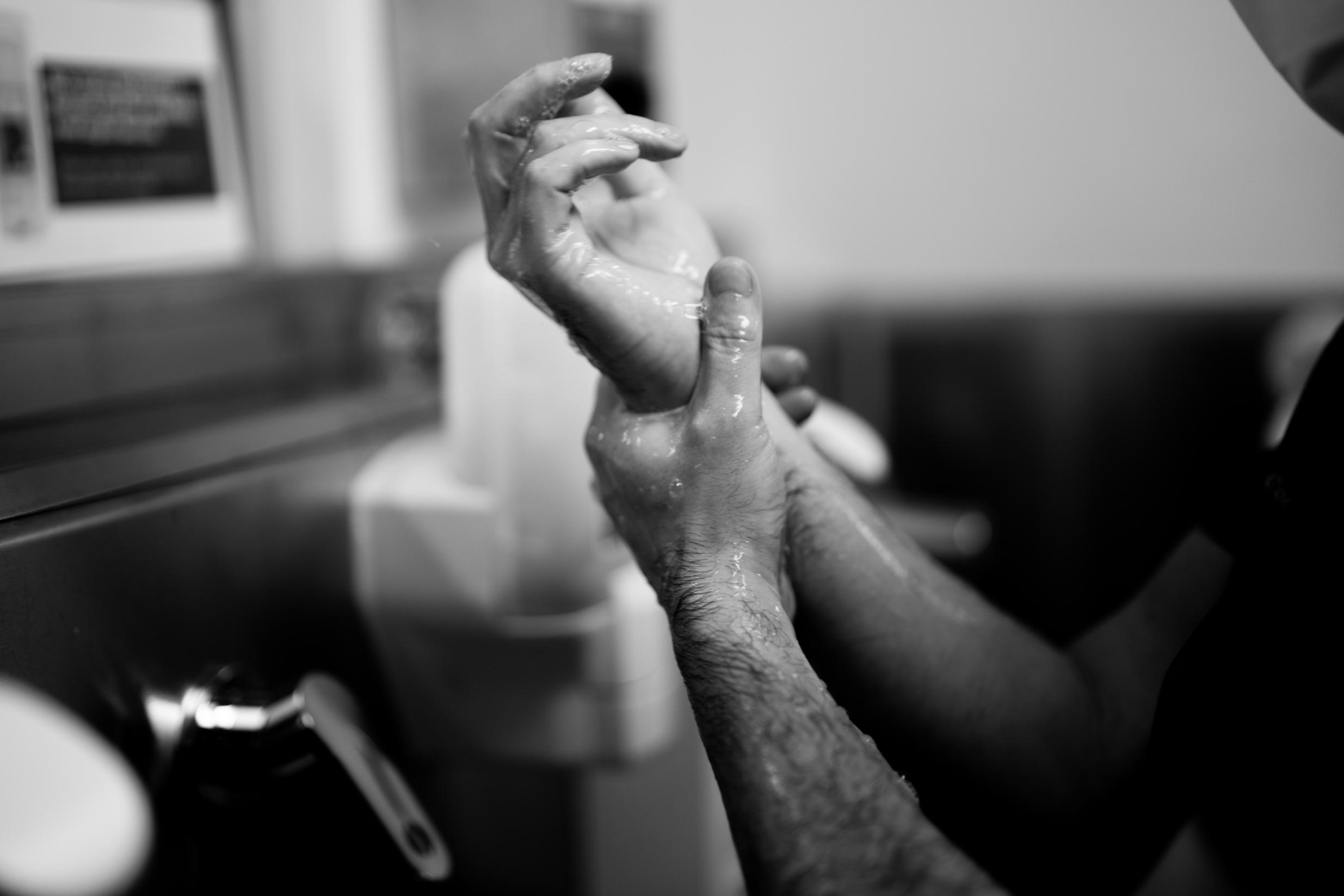
Three changes usually happen together. Fat under the skin reduces, so there is less cushioning between the skin and deeper structures. The skin thins and loses collagen, becoming more translucent and less elastic. And years of sun exposure add pigmentation, roughness and uneven light reflection.
Each contributes differently to how old the hands look. Treating only one, such as volume, may improve one aspect while leaving the others unchanged, which is why hand rejuvenation follows a layered approach similar to facial treatment.