Home
Surgical Procedures
DEEP PLANE FACELIFT
Surgical Procedures – DEEP PLANE FACELIFT

Deep Plane Facelift

Dr Sim Lew-Gor | Facial Plastic Surgery & Aesthetic Medicine
Facial ageing is often described in simple, surface-level terms - as loose skin, lines, or loss of definition. In reality, what we see on the surface is only the final expression of a much deeper process.

With time, the architecture of the face changes. Support structures weaken, soft tissues shift position, and the relationships between different layers gradually become less aligned. The heaviness along the jawline, the flattening of the cheeks, the deepening of folds - these are all visible signs of structural change beneath the skin.

Assessment & Treatment
Dr Sim Lew-Gor selects the deep plane facelift when the pattern of ageing indicates that deeper structural repositioning is required. The decision is based on anatomy, not trend.
  • Melbourne & Wagga wagga
  • Deep plane facelift and neck lift
  • FRACS Surgeon
  • 25+ years clinical experience
An Overview of our Deep Plane Facelift Procedure

Dr. Sim Lew-Gor on Deep Plane Facelift

"It is not about tightening. It is about repositioning."
When deeper structures are repositioned properly, the skin no longer needs to be pulled to create the result. Once you begin to look at facial ageing in this way, the objective of surgery becomes clearer.

It is not about tightening, it is about repositioning.
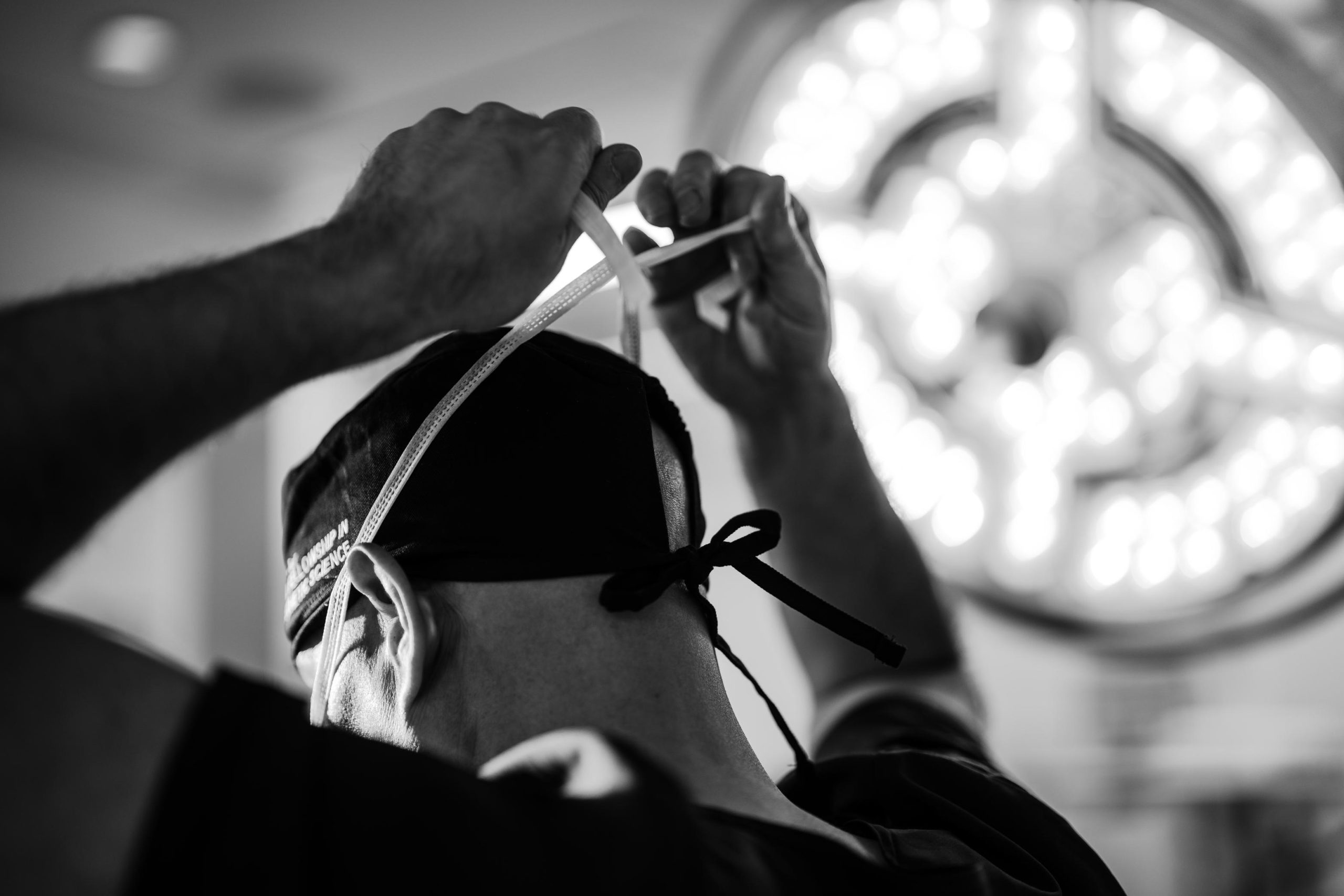
Person tying a surgical mask behind their head beneath an overhead surgical light
what is a deep plane facelift?

What a Deep Plane Facelift Actually Does

The defining feature of a deep plane facelift is not the incision, but the level at which the surgery is performed.
Rather than lifting the skin separately, this technique works beneath the SMAS - a deeper structural layer that connects facial movement with support. By operating at this level, the skin and underlying tissues are moved together as a single unit, maintaining their natural relationship.
This is important.

Because when deeper structures are repositioned properly, the skin no longer needs to be pulled to create the result. It simply settles into place.
A key part of the procedure involves releasing specific retaining ligaments - natural points of fixation that, over time, contribute to the downward pull of the face. Once released, the tissues can be repositioned in a more natural direction, restoring what has shifted rather than forcing a correction from the surface.
why depth changes the outcome

Treating the Face as a Connected System

"Not all facelifts are fundamentally different - but the depth at which they are performed changes what is possible."
More superficial techniques rely, to varying degrees, on tension. They can improve contour, but they don’t fully address the deeper structural changes that drive ageing.

The deep plane approach works where those changes actually occur.

By repositioning the midface as well as the lower face, it allows:
Restoration of cheek projection without adding volume
Softening of nasolabial folds through movement, not filling
Improved jawline definition without creating sharpness
The result tends to feel less like something has been “done”, and more like the face has simply been returned to a more balanced position.
Neck Lift Surgery In melbourne & wagga wagga

How the Face Is Treated as a Whole

One of the strengths of the deep plane technique is that it respects how the face functions as a connected system.

The skin, fat compartments, SMAS, and deeper ligamentous structures are not independent. They move together. When they are separated and treated individually, the result can feel disjointed.
In a deep plane facelift, those layers are mobilised together.

This allows the midface, jawline, and neck to be addressed in continuity, rather than as isolated areas. It also means the vectors of movement are more natural — following the original anatomical direction of the tissues, rather than opposing it.
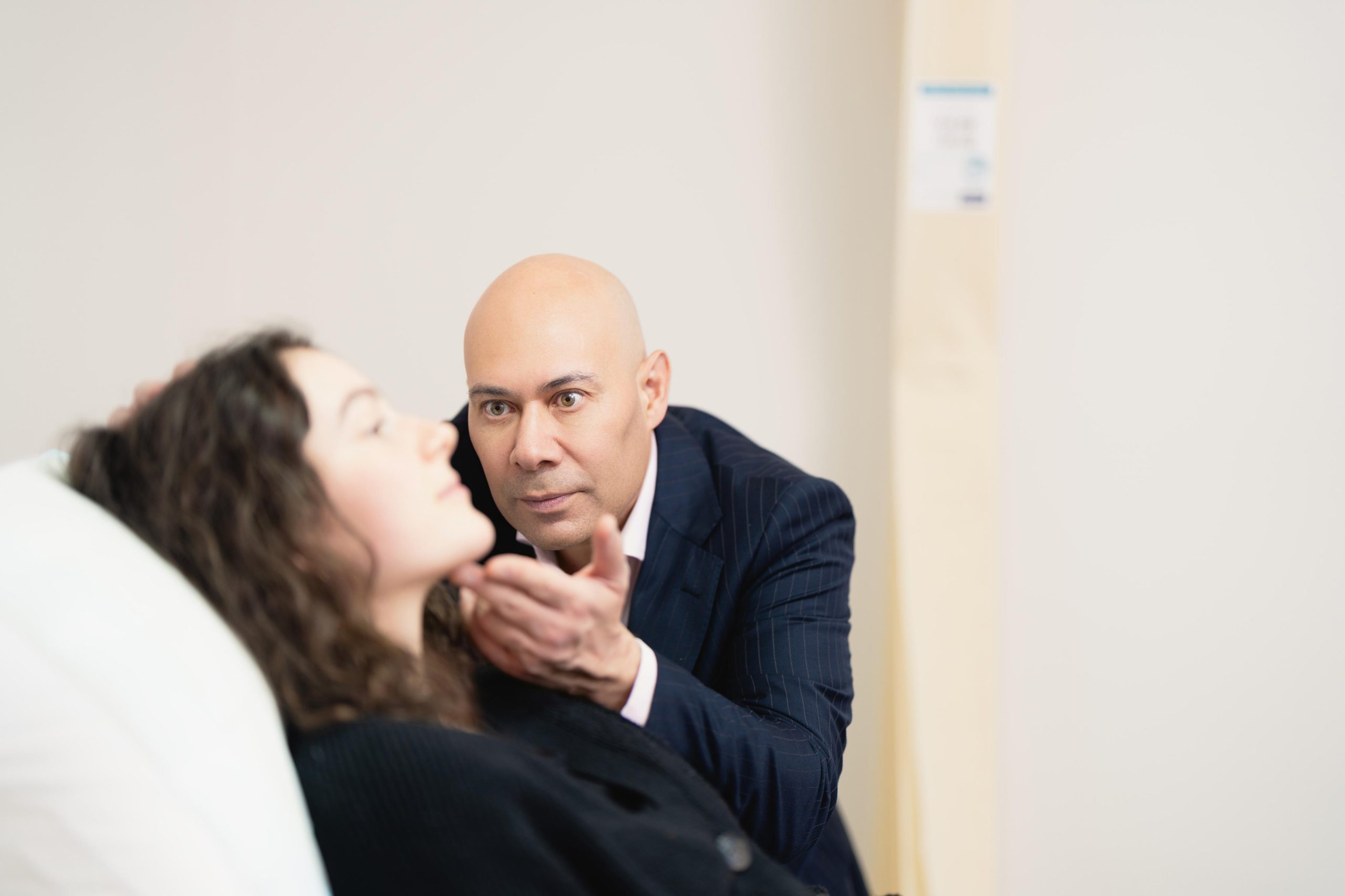
Dr Sim Lew-Gor beside a reclining person, one hand beneath their chin
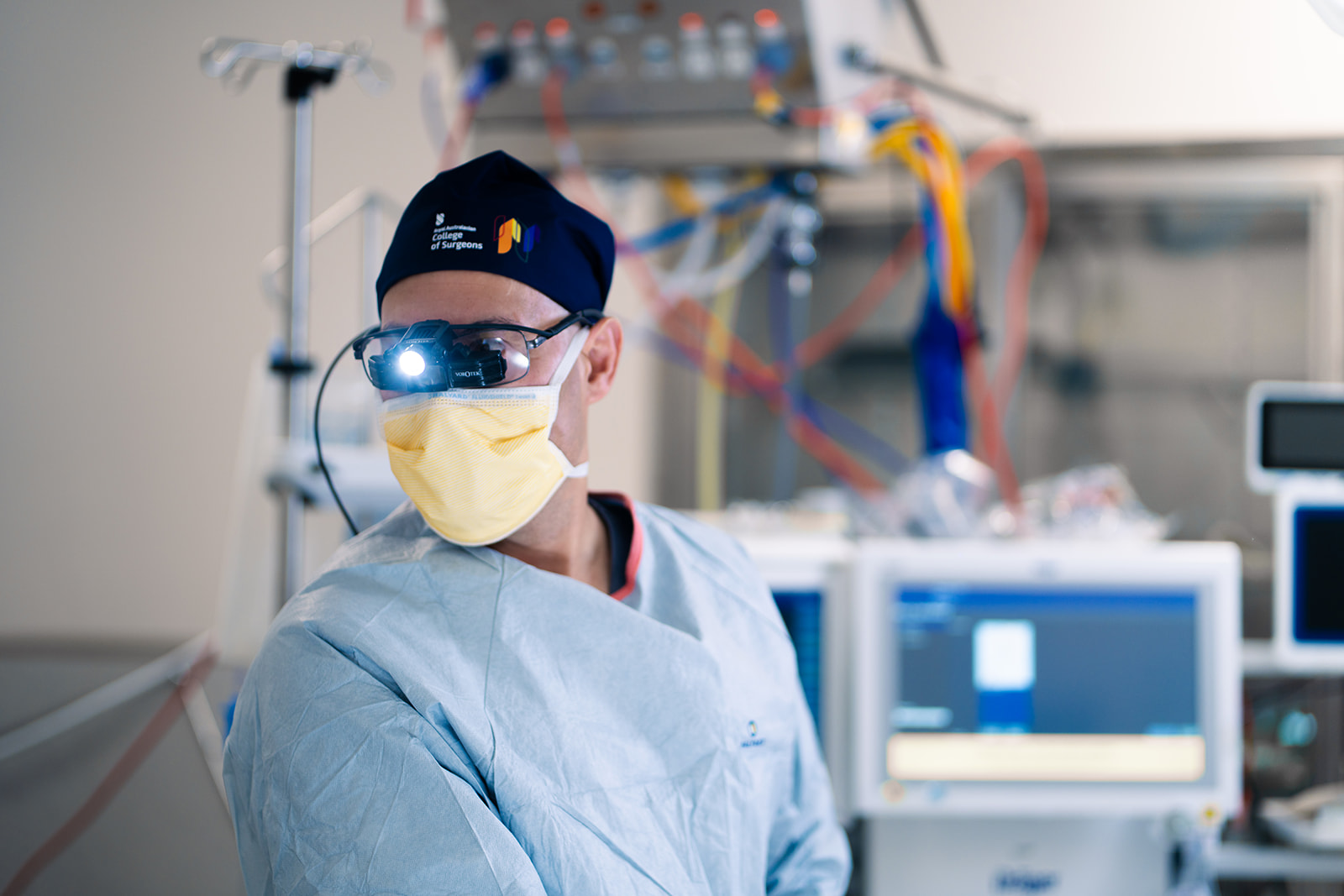
Dr Sim Lew-Gor in a mask and loupes with a lit headlight, in front of operating theatre monitors
Neck Lift Surgery In melbourne & wagga wagga

The Quality of the Result

When a deep plane facelift is done well, the change is noticeable - but difficult to define.
The face looks lighter.
More supported.
More in balance.
But it does not look tightened.
The jawline becomes clearer without appearing sharp. The cheeks regain structure without looking augmented. The transitions across the face soften, rather than becoming more pronounced.

Perhaps most importantly, the face still looks like itself.
25+
Years of surgical experience, face & neck
4
International surgical fellowships
2
Locations in Melbourne & Wagga Wagga
FRACS SURGEON
FELLOW OF THE ROYAL AUSTRALASIAN COLLEGE OF SURGEONS
deep plane facelift Surgery In melbourne & wagga wagga

Dr Sim Lew-Gor's Surgical Background

25+
Years surgical experience, face & neck
15+
Years in aesthetic medicine
Patients seeking a deep plane facelift benefit from a surgeon with detailed knowledge of the structural relationships of the lower face and neck.

Dr Sim Lew-Gor's training in ear, nose and throat surgery and head and neck surgery provides a strong foundation in the structures that support the jawline and cervical contour, and informs a surgical approach that is precise, measured and oriented toward results that are refined rather than obvious. Each operation is tailored to the individual patient's structure and goals.
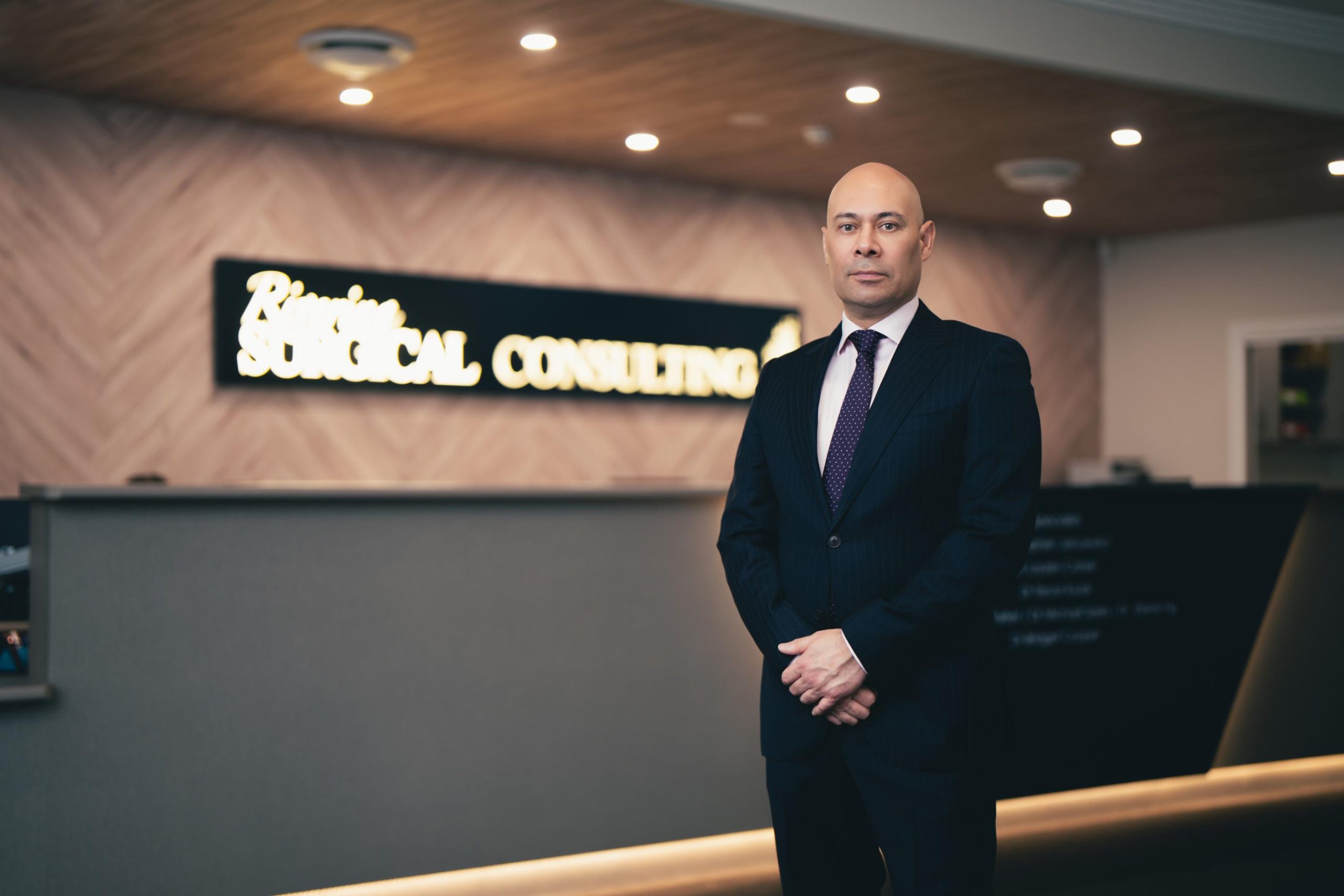
Dr Sim Lew-Gor in a navy suit standing in front of a reception desk

Frequently Asked Questions

Questions most commonly raised about neck ageing and skin laxity.
What makes a deep plane facelift different from a standard facelift?
The key distinction lies in the anatomical level at which the surgery is performed. A deep plane facelift works beneath the SMAS layer, allowing the skin and deeper tissues to be lifted together as a single unit, rather than being separated and tightened individually.

This approach enables the surgeon to release retaining ligaments and reposition deeper structures, which are primarily responsible for facial ageing. As a result, the outcome tends to appear more natural and structurally coherent compared to techniques that rely predominantly on skin tightening.
Does a deep plane facelift look more natural?
Yes - when performed correctly, the deep plane technique is specifically designed to avoid the “pulled” or overly tight appearance associated with older methods. Because the deeper tissues are repositioned rather than the skin being stretched, the face maintains its natural movement and expression.

Patients often describe the result as looking refreshed rather than altered, with improvements in facial balance that are noticeable but not immediately identifiable as surgery.
How long do results last?
Deep plane facelift results are generally considered longer-lasting than more superficial techniques because they address the underlying structural causes of ageing.

While individual outcomes vary, many patients experience sustained improvement for a decade or more. Importantly, the face continues to age after surgery - but from a more balanced starting point.
Is the deep plane facelift more complex or risky?
The procedure is technically more demanding due to the depth of dissection and proximity to important anatomical structures, including facial nerve branches.

However, when performed by an experienced facial plastic surgeon, it remains a safe and well-established technique. Surgical precision and anatomical knowledge are critical in minimising risk and achieving optimal outcomes.
What areas of the face does it improve?
The deep plane facelift primarily addresses the midface, jawline, and lower face. By repositioning deeper tissues, it improves cheek contour, reduces nasolabial folds, and restores definition along the jawline.
It may also be combined with neck procedures or other facial surgeries depending on individual needs.
How long is recovery after a deep plane facelift?
Initial recovery typically involves swelling and bruising for the first one to two weeks, with most patients returning to social activities within two to three weeks.

Full refinement of the result takes longer, as tissues gradually settle over several months.
Who is the ideal candidate for this procedure?
Ideal candidates are individuals with moderate to more advanced facial ageing, particularly involving midface descent and jowl formation.

Suitability depends less on age and more on anatomical presentation, tissue quality, and personal goals. A detailed consultation is essential to determine whether this approach is appropriate.
Can a deep plane facelift be combined with other procedures?
Yes - it is often combined with complementary procedures such as neck lift, eyelid surgery, or brow lift to achieve a more comprehensive result.

The decision to combine procedures is based on the overall facial analysis and the desired outcome, ensuring that changes remain balanced and proportionate.
Areas of Concern

You May Also Be Experiencing

Also consider
Sagging Jawline & Jowls
The lower face and neck age as a connected unit. Jowling and loss of jawline definition frequently occur alongside neck laxity and are often best addressed together.
Also consider
Tired or Aged Appearance
A general sense of looking older or more tired often reflects changes across the face and neck rather than a concern confined to one region alone.
Also consider
Eyelid Heaviness & Under-Eye Bags
Upper and lower facial changes often occur in parallel. Understanding the full picture allows for more balanced and coherent treatment planning.
Also consider
Under Eye Hollows & Dark Circles
Volume changes in the midface and eye area can contribute to the overall impression of fatigue that patients often notice alongside neck changes.
Dr. Sim Lew-Gor — facial Plastic Surgery Clinic in Melbourne & wagga wagga

A considered approach begins with consultation

Assessment
·
Planning
·
Suitability
A deep plane facelift does not rely on tension. It relies on understanding. When the underlying structures are repositioned correctly, the face does not appear altered - it appears realigned. And in the best cases, that realignment is felt more than it is seen.

Book your consultation with Dr. Sim Lew-Gor below.
Disclaimer: All treatments are subject to individual assessment and may not be suitable for all patients. Results vary between individuals and cannot be guaranteed. A consultation with Dr Sim Lew-Gor is required to determine the most appropriate treatment for your needs.