Home
Non-Surgical Treatments
Therapeutic Neuromuscular Consultation
Non-Surgical Treatments – Therapeutic

Therapeutic Neuromuscular Consultation

Dr Sim Lew-Gor | Facial Plastic Surgery & Aesthetic Medicine
Some conditions are driven by excessive muscle activity or overactive nerve signalling, in the face, jaw, scalp, neck or body. Depending on the condition, the goal may be to reduce pain, improve muscle balance, decrease involuntary movement or relieve chronic tension.

A therapeutic consultation focuses on diagnosis, anatomy and function rather than appearance, and on identifying the muscle patterns behind the problem rather than only the symptoms.
Begin with Consultation
Dr Sim Lew-Gor assesses muscle activity, compensation and imbalance before determining whether treatment is medically appropriate.
  • Jaw clenching & teeth grinding
  • Jaw (TMJ) pain
  • Excessive sweating
  • Tension headaches
  • Facial tics & muscle spasm
  • Muscular facial asymmetry
Why a Therapeutic Consultation Is Different

Dr. Sim Lew-Gor on Neuromuscular Conditions

"The focus is not only on easing symptoms, but on understanding the muscle patterns that drive them."
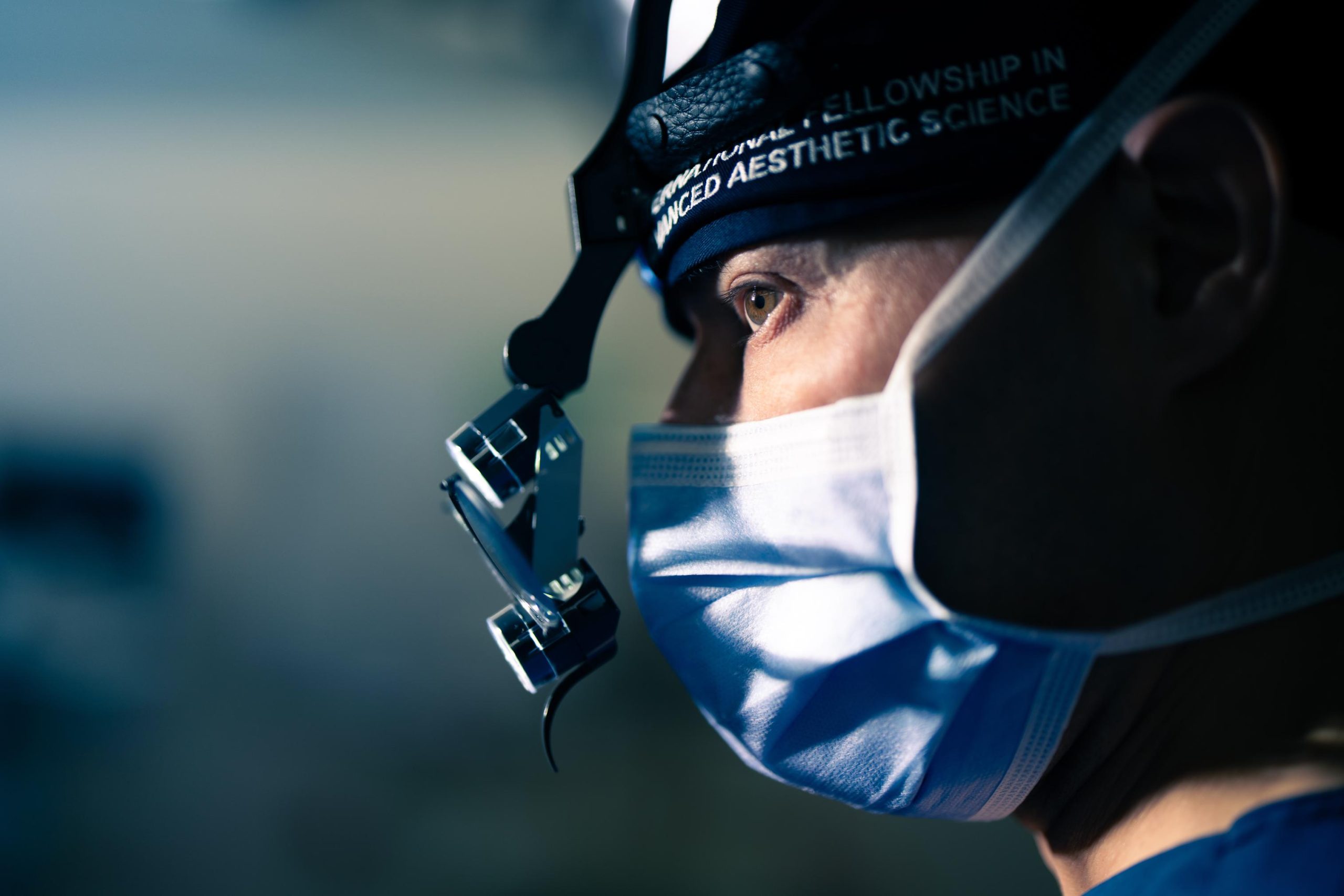
Dr Sim Lew-Gor in profile, wearing a mask, loupes and a surgical headlight
Therapeutic Consultations in Melbourne & Wagga Wagga

Understanding Neuromuscular Conditions

Excessive muscle contraction and abnormal nerve signalling can contribute to a range of ongoing problems. Jaw clenching and grinding place constant strain on the jaw joint and surrounding muscles, and over time can contribute to jaw pain, headaches, tooth wear, muscle enlargement and facial heaviness.

Excessive sweating (hyperhidrosis) can affect the underarms, palms, feet, scalp or face, and can occur regardless of heat or activity. Chronic tension headaches are often linked to muscle tension and nerve sensitivity around the forehead, temples, scalp and neck.

Facial tics and spasms can interfere with comfort and daily life, and more marked facial asymmetry can sometimes develop when muscle activity becomes uneven.
A Shift in Thinking

From Treating Symptoms to Understanding Function

The guiding principle
Treatment should be medically justified, not routine.

Symptom-Led Approach

Each symptom is treated on its own.
Symptoms treated in isolation
Cosmetic thinking applied to medical concerns
Standard patterns for everyone
Underlying cause not explored
Repeated without review

Function-Led Approach

The muscle patterns behind symptoms are assessed.
Diagnosis comes first
Function before appearance
Plans based on individual anatomy
Compensation and imbalance assessed
Ongoing suitability reviewed
Assessed Condition by Condition

Conditions Commonly Assessed

Each condition is assessed individually according to anatomy, muscle behaviour and expected functional benefit.
01
Bruxism and Jaw (TMJ) Dysfunction
Clenching and grinding are assessed alongside jaw pain, headaches and enlargement of the jaw and temple muscles.
02
Excessive Sweating
Sweating of the underarms, palms, feet, scalp or face that occurs regardless of heat or activity.
03
Tension Headaches
Headaches linked to muscle tension in the forehead, temples, scalp and neck. Migraine diagnosis and management is coordinated with your GP or neurologist where appropriate.
04
Facial Tics and Spasms
Involuntary muscle activity, including around the eyes.
05
Muscular Imbalance
Facial asymmetry caused by uneven muscle activity, excessive upper lip elevation, neck muscle tension, and neck and shoulder tension.
25+
Years of surgical experience, face & neck
4
International surgical fellowships
2
Locations in Melbourne & Wagga Wagga
FRACS SURGEON
FELLOW OF THE ROYAL AUSTRALASIAN COLLEGE OF SURGEONS
Therapeutic Consultations in Melbourne & Wagga Wagga

What to Expect After Treatment

Recovery varies between patients and conditions. The timeframes below are a general guide only.
Day 1
Short appointment
Treatment usually takes a short appointment. Mild redness, swelling or tenderness can occur, and strenuous exercise is usually avoided straight afterwards.
Weeks 1–2
Gradual effect
Any change develops gradually. Some people respond quickly, while others need adjustment over time.
Following months
Review
Effects are temporary. Whether further treatment is appropriate depends on the condition and how the muscles respond.
Results, Risks & Expectations

What a Therapeutic Plan Aims to Achieve

The aim is to reduce excessive muscle activity and restore better balance, relieving strain, discomfort, involuntary movement or sweating. Any change in appearance is usually subtle and secondary to the functional goal. Results vary between individuals and conditions and cannot be guaranteed.

All treatment carries risk. Risks include temporary weakness in nearby muscles, mild asymmetry, bruising and short-term discomfort at treatment sites. In the jaw, chewing strength can be temporarily reduced.

Risk can be reduced through careful assessment, conservative planning and precise placement, but it cannot be eliminated. Your individual risks are discussed in full at consultation.
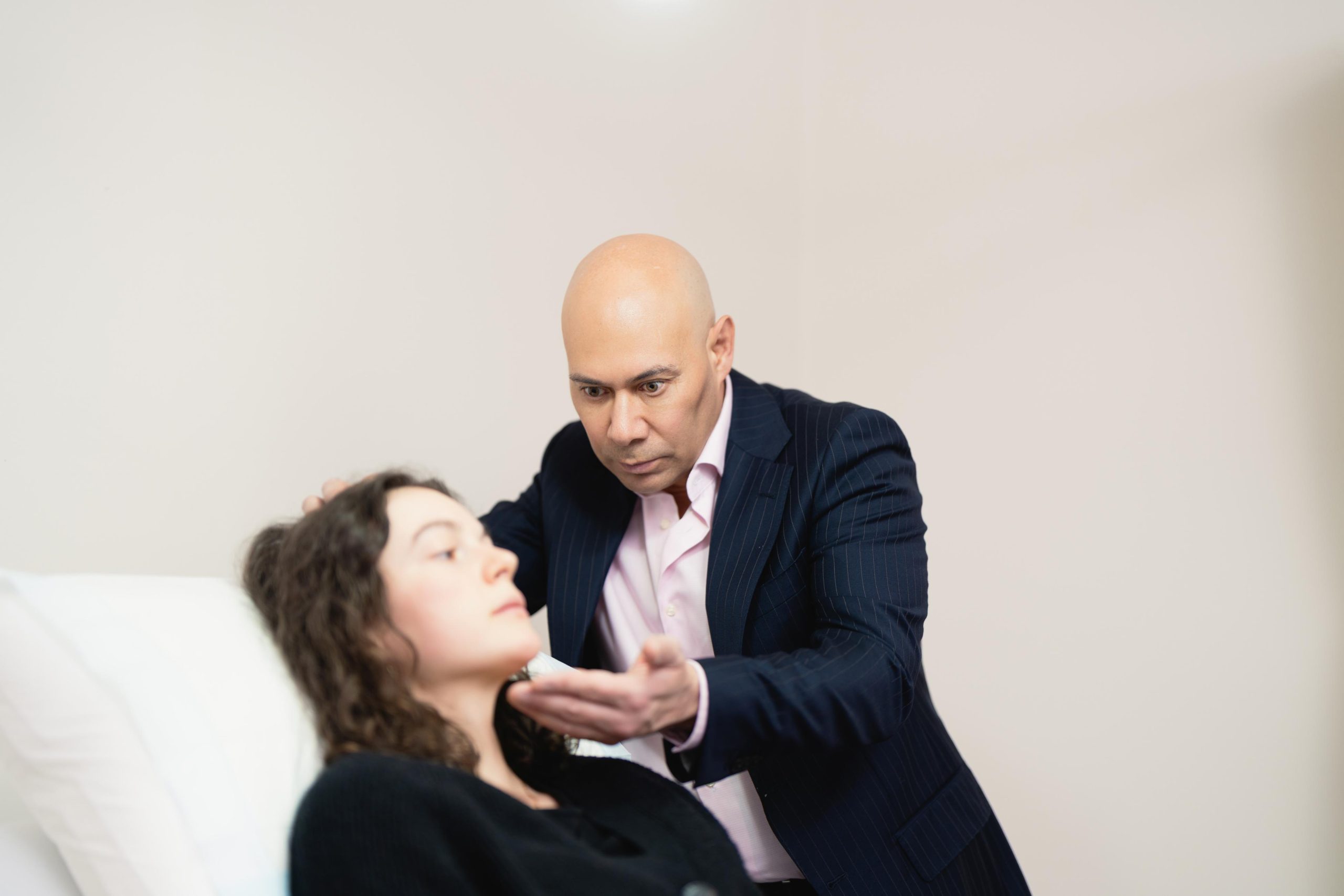
Dr Sim Lew-Gor beside a reclining person, one hand on their head and the other beneath their chin
Consultation & Treatment Planning

Deciding If Treatment Is Appropriate at Consultation

Consultation assesses what is actually driving your symptoms: muscle overactivity, nerve signalling, compensation patterns or another cause.

Treatment is considered only where it is likely to produce a meaningful functional improvement. Where another approach or specialist is more appropriate, that is recommended.
What Consultation Involves
Symptoms
Pain, tension, sweating, spasm or imbalance, and their pattern
Muscle Activity
Which muscles are overactive or compensating
Function
Effect on chewing, comfort, sleep and daily life
Medical History
Other conditions and treatments that may be relevant
Expectations
An honest account of what is achievable, review and risks

Frequently Asked Questions

Questions most commonly raised about therapeutic consultations.
Is treatment appropriate for my condition?
It depends on what is driving your symptoms. Treatment is generally considered when excessive muscle activity or nerve signalling contributes to pain, tension, spasm, sweating or imbalance.
What is the goal of treatment?
To reduce excessive muscle activity and restore better balance, relieving strain, discomfort or tension that has become hard to control.
Will I look different?
Usually any change is subtle. Some people notice they look more relaxed in the treated area, but the purpose is function, not cosmetic change.
Is the effect permanent?
No. Effects reduce gradually over several months, and repeat treatment may be recommended depending on the condition.
Is there downtime?
Downtime is usually minimal. Mild swelling, redness, tenderness or bruising may occur, and most people return to normal activities shortly afterwards.
Why is a consultation needed?
Because this is a medical treatment. Effective care depends on identifying the source of the problem and deciding whether treatment is appropriate at all.
Areas of Concern

You May Also Be Experiencing

Also consider
Sagging Jawline & Jowls
The lower face and neck age as a connected unit. Jowling and loss of jawline definition frequently occur alongside neck laxity and are often best addressed together.
Also consider
Tired or Aged Appearance
A general sense of looking older or more tired often reflects changes across the face and neck rather than a concern confined to one region alone.
Also consider
Eyelid Heaviness & Under-Eye Bags
Upper and lower facial changes often occur in parallel. Understanding the full picture allows for more balanced and coherent treatment planning.
Also consider
Under Eye Hollows & Dark Circles
Volume changes in the midface and eye area can contribute to the overall impression of fatigue that patients often notice alongside neck changes.
Dr Sim Lew-Gor, Facial Plastic Surgeon in Melbourne & Wagga Wagga

All therapeutic treatment begins with consultation

Diagnosis
·
Function
·
Suitability
Used appropriately, treatment can help restore muscle balance and reduce chronic strain.
Start with an assessment of your symptoms and an honest conversation about your options.
Disclaimer: All treatments are subject to individual assessment and may not be suitable for all patients. Results vary between individuals and cannot be guaranteed. A consultation with Dr Sim Lew-Gor is required to determine the most appropriate treatment for your needs.