Fat grafting is often described as a volumising procedure, but this is only part of its role. Adipose tissue (fat) contains regenerative cells, including adipose-derived stem cells, which contribute to collagen synthesis, vascular support and tissue repair.
Because of this, the effects of fat transfer may extend beyond contour. Some patients notice gradual changes in skin texture, tone and elasticity alongside restored volume, though this varies between individuals and develops over time. This is a key distinction from temporary treatment, which restore volume without influencing tissue quality.
Fat is typically harvested from areas such as the abdomen or thighs using gentle liposuction techniques designed to preserve cell viability.
The harvested tissue is then processed to remove excess fluid and non-viable components, leaving a concentrated preparation of healthy fat cells and regenerative elements. This refined tissue is introduced into the face using fine cannulas (these are thin tubes that allow precise placement within different tissue layers) in a process that is deliberate and controlled.
Dr Sim Lew-Gor approaches fat transfer as part of a broader understanding of facial structure. The emphasis is on conservative volume restoration and preservation of facial identity. The objective is to restore support where it has diminished and improve tissue quality where it has declined, rather than to introduce volume indiscriminately.
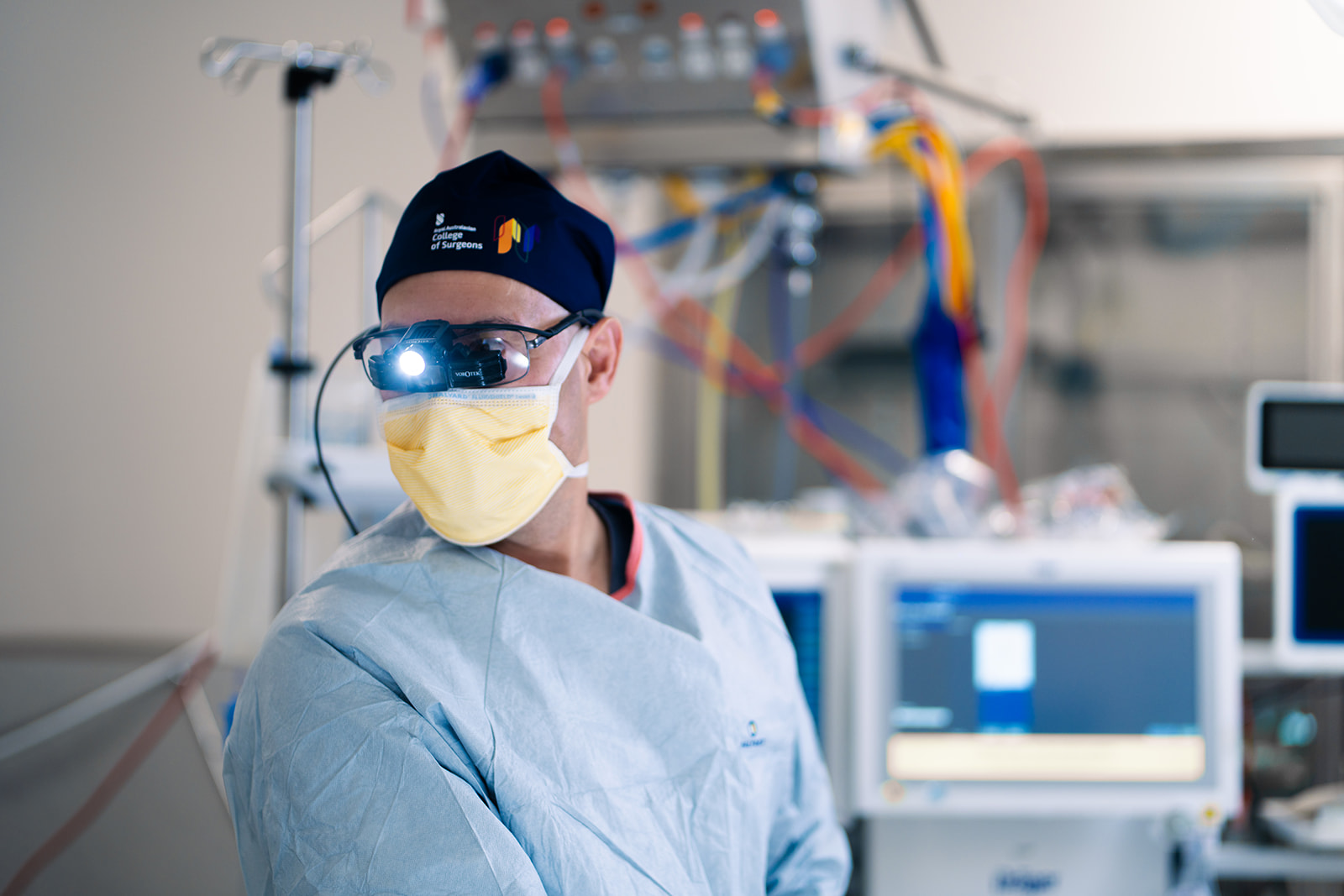
Not every patient who asks about fat transfer will be a suitable candidate. At consultation, Dr. Sim Lew-Gor assesses your facial structure, the degree and pattern of volume loss, skin quality, and whether enough donor fat is available.
From this, a treatment plan is developed that may include fat transfer, a different surgical procedure, a non-surgical treatment, a combination, or no treatment at all. The consultation is about determining what is appropriate for you, not about proceeding with a particular procedure.
Because fat grafting uses living tissue placed within the face, its risks differ in some respects from those of other surgery. They include:
A rare but serious risk is inadvertent intravascular injection (where fat enters a blood vessel rather than the surrounding tissue) and this is explained in detail during consultation. Anaesthesia carries its own risks, which are managed by specialist anaesthetic teams.