Home
Surgical Procedures
An overview of dr. sim lew-gor's facial plastic surgeries

Surgical Procedures

Refined surgery of the face, eyes, nose and neck
Facial plastic surgery, when practised at a high level, is the restoration of structure, proportion, contour and balance across the face and neck.

A significant part of the practice is devoted to facelift and neck lift surgery, together with procedures that restore youthful definition to the upper face and eye area, including blepharoplasty, brow lift, facial fat transfer and lip lift procedures. He also performs rhinoplasty, both for refinement of nasal form and, where appropriate, improvement of nasal breathing.
Begin with Consultation
Facial surgery is always planned individually. During consultation, a detailed assessment of facial anatomy, tissue position and structural ageing is performed before any recommendation is made.
  • Melbourne & Wagga Wagga
  • Surgical & Non-Surgical Practice
  • FRACS Surgeon
  • 25+ Years Clinical Experience
An Overview of our Surgical Procedures

Dr. Sim Lew-Gor on Surgical Procedures

"No two faces age in the same way, because no two faces are built the same way."
All Surgical Procedures

Full Surgical Procedures Index

Each procedure links to a dedicated page with full clinical detail, indications, technique, and what to expect. Please note that under Medical Board guidelines, a referral from an independent GP is required prior to surgical consultation.
Facial Rejuvenation
Facelift
FACELIFT · ADVANCED TECHNIQUE
Deep Plane Facelift
FACELIFT · FOUR-ZONE LIFT
TetraLift Facelift
FACELIFT · LIMITED INCISION
Limited Incision High SMAS Facelift
NASAL SURGERY
Surgical Rhinoplasty
SECONDARY · CORRECTIVE
Revision Facial Surgery
EYELID SURGERY · UPPER & LOWER LIDS
Blepharoplasty
Ear Surgery
Otoplasty
NECK & JAWLINE
Neck Lift Surgery
UPPER FACE
Brow Lift Surgery
VOLUME RESTORATION
Fat Transfer Surgery
MALE AESTHETICS procedure
Facial Plastic Surgery for Men
PROFILE REFINEMENT
Chin Augmentation
Lip Surgery
Lip Lift Surgery
The most appropriate approach depends on structure, not preference. Any surgical or invasive procedure carries risks. Before proceeding, you should seek a second opinion from an appropriately qualified health practitioner.
The Foundation
Anatomy first
A deep understanding of the structural anatomy of the face, neck and airway informs every stage of surgical planning. This begins in the consultation phase and runs from diagnosis and patient selection through to operative technique and recovery.
The range
Beyond just surgery
A carefully selected range of non-surgical treatments is offered where these complement surgery, support skin quality, or provide subtle enhancement when surgery is not indicated.
the philosophy
Restoring harmony
The guiding principle is always the same: the aim is not to impose change, but to restore harmony. Results should look considered rather than obvious, preserving the individual character of the face rather than working against it.
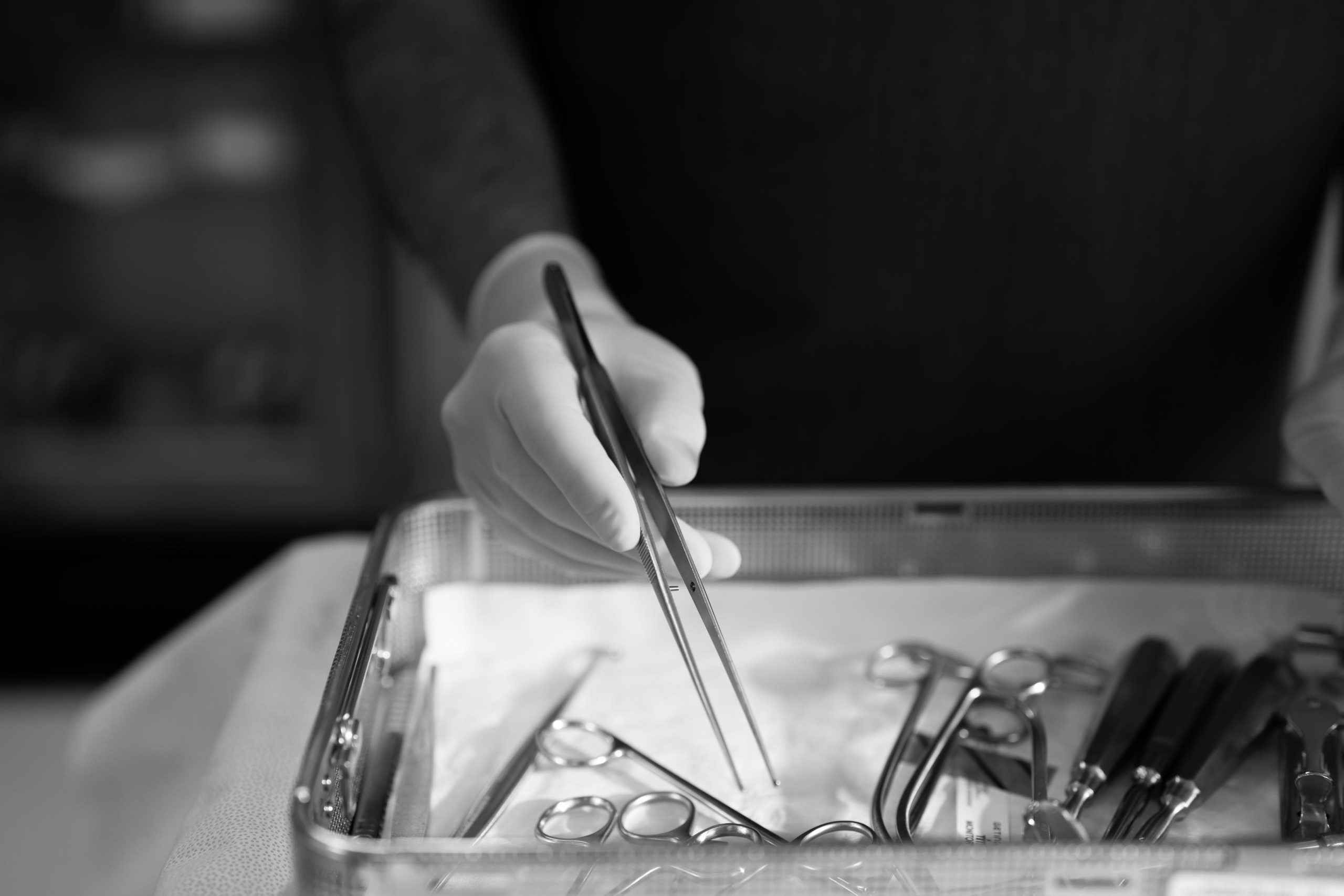
Gloved hand holding forceps selecting an instrument from a surgical tray
Aesthetic medicine with dr. sim lew-gor

What Ageing Actually Changes

Time alters the face in ways that are both visible and structural. What begins in youth as a naturally lifted, gently tapered facial form gradually broadens and descends. The cheeks lose projection, the lower face becomes heavier, the jawline softens, and the neck develops laxity. In parallel, the skin loses elasticity, the ligaments that once held the face in place begin to relax, and the deeper support layers of the face descend under the influence of gravity and biological change.

At the centre of this process lies the SMAS (the superficial musculo-aponeurotic system) a fibromuscular layer beneath the skin and superficial fat that provides structural support to the cheeks, jawline and neck. As the SMAS loosens with age, deeper tissues shift downward, contributing to jowls, flattening of the midface, loss of jawline definition and neck laxity.

For this reason, contemporary facial rejuvenation surgery addresses the deeper anatomical layers of ageing rather than simply tightening the skin. This is the basis of modern facelift surgery, and the reason refined results now look more natural, balanced and enduring than the overly tightened outcomes associated with earlier techniques.
Not opposing approaches, but different tools

The Difference Between Surgical and Non-Surgical Treatment

The guiding principle
The aim is not to impose change, but to restore harmony while preserving the individual character of the face using whichever approach anatomy requires.
Non-Surgical

Non-Surgical Treatments

Non-surgical treatments act on the skin and superficial soft tissue. They may be considered where the main concern relates to skin quality or early, mild change. They do not reposition deeper tissues. Like any medical procedure, they carry risks, and results vary between individuals and are not permanent.
May be considered for skin quality and texture
Suited to mild or early changes only
Acts on the skin and superficial tissue
Recovery varies, and risks still apply
Results are temporary and may need repeating
Surgical

Surgery Procedures

Surgery addresses the deeper structures of the face and neck. It may be considered where tissue has descended or facial support has changed. Surgery is invasive and involves anaesthesia, a recovery period and risks of complications. Results vary between individuals, and ageing continues after surgery.
May be considered for deeper structural change
Suited to tissue descent along the jawline
May address neck laxity or eyelid heaviness
Requires recovery time and carries surgical risks
Results are longer lasting but not permanent
"In many patients, the most sophisticated treatment plan includes both – surgery to restore deeper structure, and non-surgical treatments to support skin quality and longevity."
The important distinction is not whether a treatment is surgical or non-surgical, but whether it is anatomically appropriate. This is assessed honestly at every consultation.
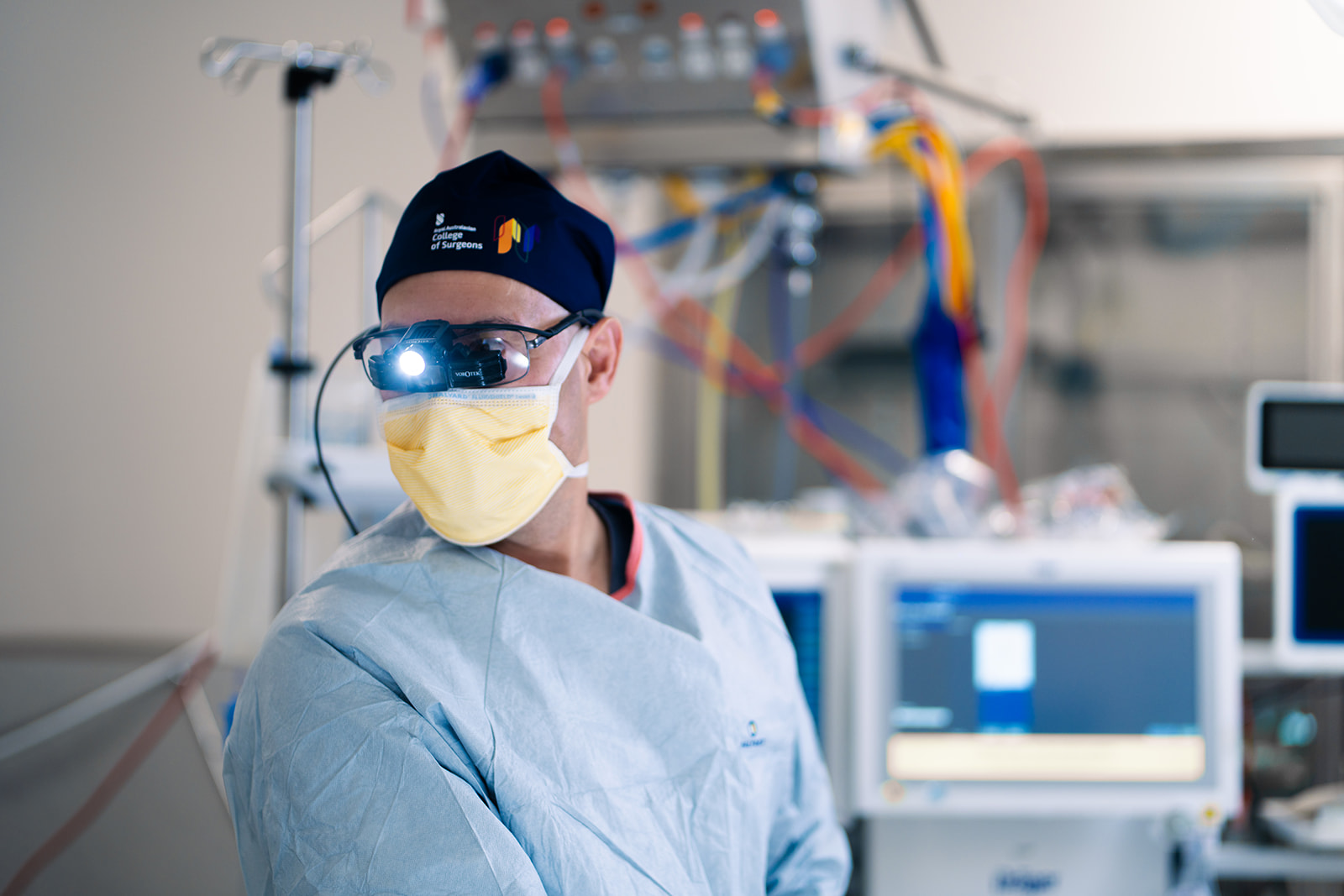
Dr Sim Lew-Gor in a mask and loupes with a lit headlight, in front of operating theatre monitors
natural, proportionate, & enduring

Results & Expectations

The aim of facial plastic surgery is not to create a different face. It is to restore definition, support and harmony in a way that remains recognisably the patient’s own.

The best results are not dramatic in a theatrical sense. They are quieter than that. The face appears more rested, more balanced, more structurally coherent. Expression remains intact. Identity remains intact. What returns is not a new face, but a more resolved version of the existing one.
25+
Years of surgical experience, face & neck
4
International surgical fellowships
2
Locations in Melbourne & Wagga Wagga
FRACS SURGEON
FELLOW OF THE ROYAL AUSTRALASIAN COLLEGE OF SURGEONS
what to do Before Surgical Treatment

Careful Assessment Before Surgery

"The purpose of consultation is to determine the right plan."
Facial surgery is always planned individually. During consultation, Dr. Sim Lew-Gor performs a detailed assessment of facial anatomy, skin quality, tissue position and the pattern of structural ageing affecting the face and neck.

In some cases this leads to surgery. In others, a less extensive approach or a non-surgical alternative may be more appropriate.
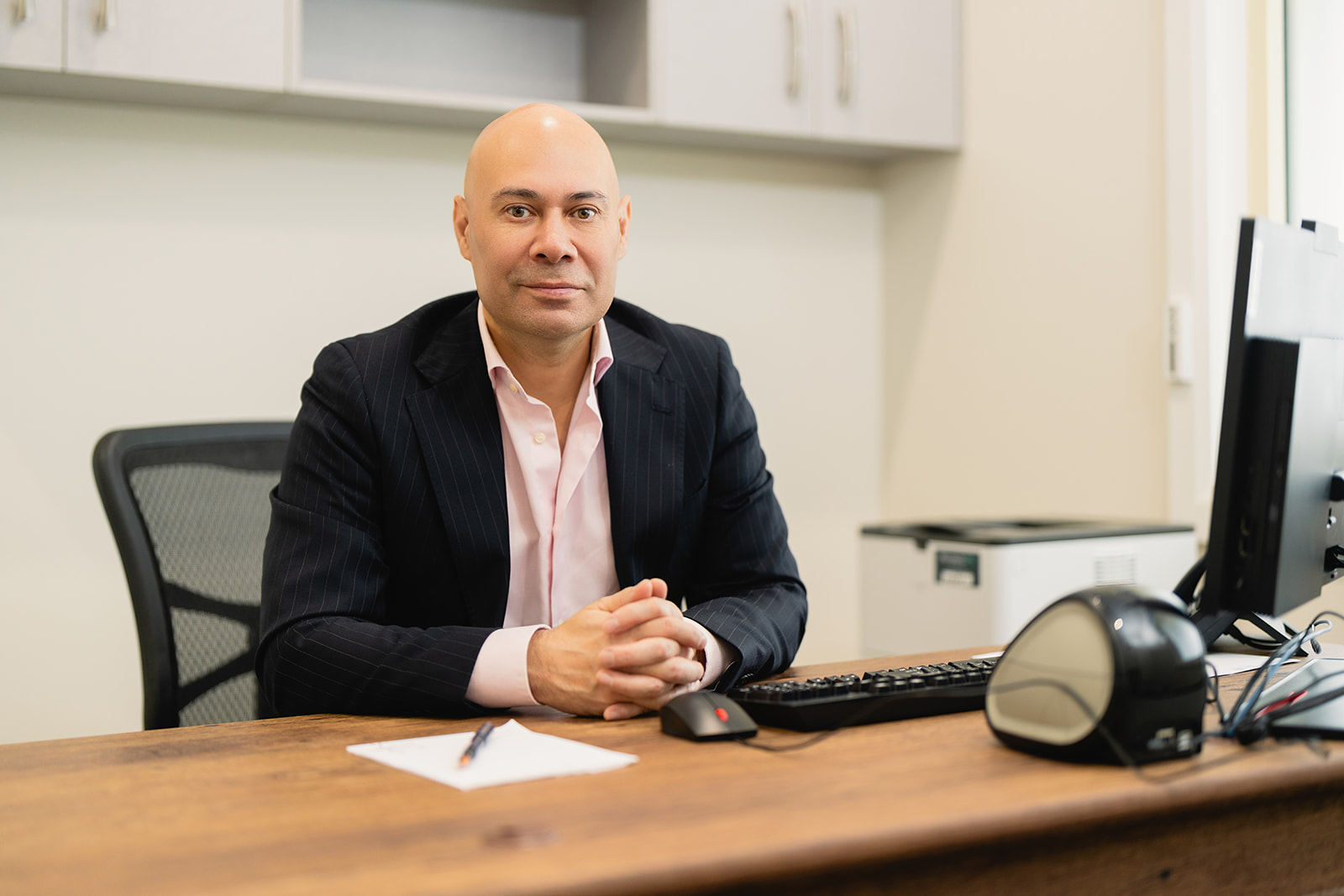
Dr Sim Lew-Gor in a dark suit, seated at a desk with his hands clasped
Safety & Regulations

Safety and Clinical Standards

All surgical and non-surgical care is delivered in accordance with Australian medical guidelines and hospital safety protocols. Treatment is recommended only where clinically appropriate.
ACCREDITED HOSPITAL FACILITIES
SPECIALIST FRACS CREDENTIALS
DEDICATED POST-OPERATIVE CARE
Dr. Sim Lew-Gor - Plastic Surgery Clinic in Melbourne & wagga wagga

All treatment begins with consultation

A detailed assessment of facial anatomy, ageing pattern, and tissue behaviour followed by a discussion of appropriate options, including the possibility that treatment may not be indicated.